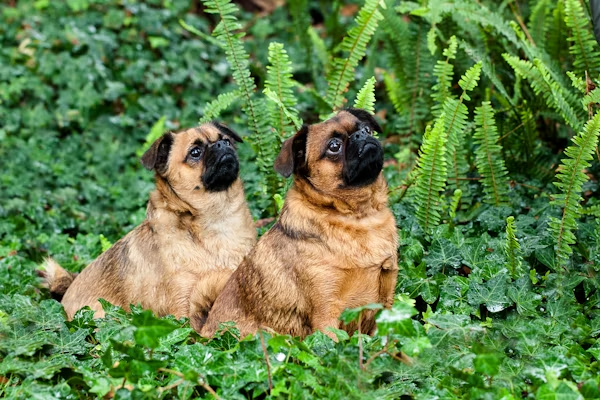
Cryopreservation: Utilizing advanced cryogenic methods to preserve gametes and tissues at ultra-low temperatures, ensuring their viability for future use.
Genomic Sequencing: Conducting comprehensive genomic analyses to map the genetic diversity of endangered species, aiding in their preservation and restoration.
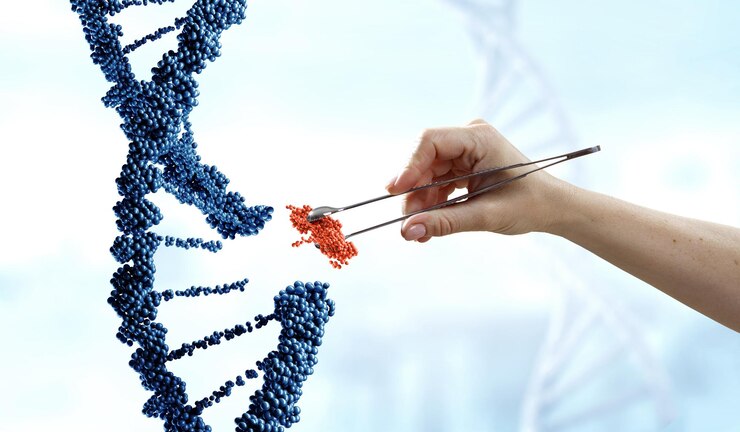
Regenerative Medicine: Enabling future research in cloning and regenerative therapies to revive species.
Disease Research: Studying disease resistance and genetic disorders within endangered populations.
1) Cloning, in the context of animals, refers to the process of creating an organism that is genetically identical to another, existing organism.
2) The most common method is Somatic Cell Nuclear Transfer (SCNT).
Enucleation: An egg cell (oocyte) is obtained, and its nucleus (containing DNA) is removed.
Nucleus Transfer: A nucleus is taken from a somatic (body) cell of the animal to be cloned
Fusion & Activation: The nucleus from the somatic cell is inserted into the enucleated egg cell, and the egg is stimulated to divide, creating an embryo.
Embryo Transfer: The resulting embryo is then transferred to a surrogate mother, where it develops into a clone.
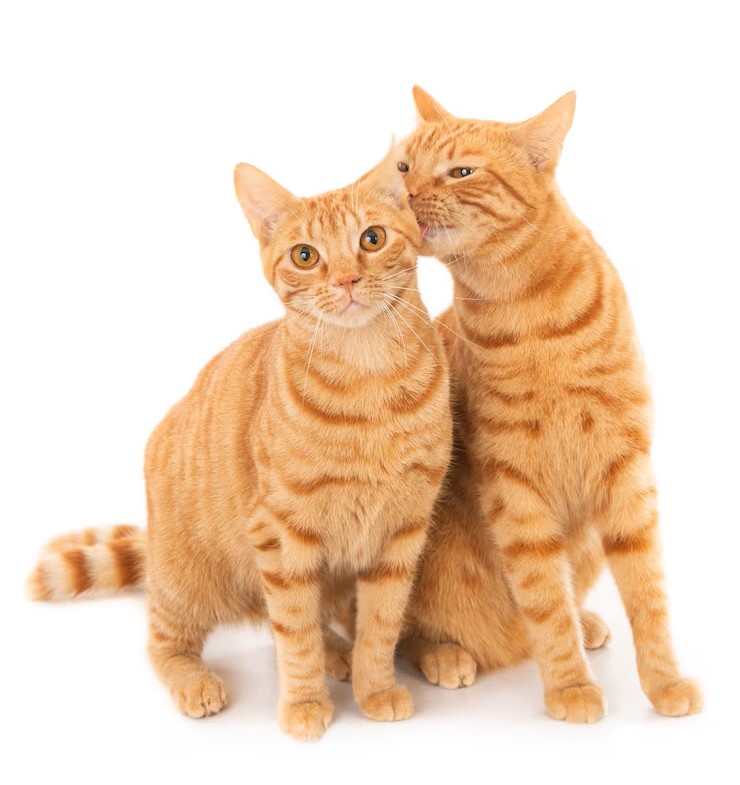
Cloned cats are just as healthy and long-lived as any other cat, with no added risk of health issues.
We actively collaborate with academic institutions, conservation organizations, and other biotech companies to enhance our research capabilities and ensure the practical application of our findings.